
Shaping the Field of Ideas
The 2028 “ideas primary” begins just weeks from now and Project 2029 proposals are already helping to shape the debate
Right now, for many of us, our screens and mailboxes (and definitely our email inboxes!) are dominated by the midterm campaigns. January 20, 2029 might never seem farther away than three weeks before the election of 2026.
But, believe it or not, and whether we like it or not, the campaign for the next President will begin just days after next month’s election. Over the next year, we’ll see potentially dozens of candidates step forward to run for President, each with proposals for tackling the biggest challenges we face. Project 2029’s goal is to seed and shape that landscape of ideas so the next president is ready to deliver for Americans right away.
It’s early, and we’ve only rolled out a small part of our agenda, but Project 2029 ideas are already moving the debate:
Late last month, Rep. Ro Khanna introduced the Free Child Care for America Act, which is built on the principles of our Child Care Choice Guarantee, giving families a real choice: high-quality child care at no cost, or a cash benefit so parents or trusted caregivers can provide care at home. It’s a genuinely new approach that speaks to a key role of Project 2029 to challenge the status quo thinking in our politics; one that The Bulwark says could “break the fifty-year stalemate on childcare policy.”
We’re also seeing progress elevating issues that elected leaders too often ignore, but that we’re helping to bring to the front burner. Earlier this year we released a plan to Crack Down on the Annoyance Economy (all the ways companies waste our time and money in order to pad their profits). Last month, Gov. Gavin Newsom signed into law the Right to Human Customer Service Act which puts a core piece of that agenda into law in California. Large companies now have to make a good-faith effort to connect customers with a real person within 15 minutes or schedule a callback. As the primaries kick off next year, amid sweeping plans on climate, housing, and immigration, we expect to see more on these everyday pain points, from health insurance headaches to dysfunctional customer service to endless spam texts.
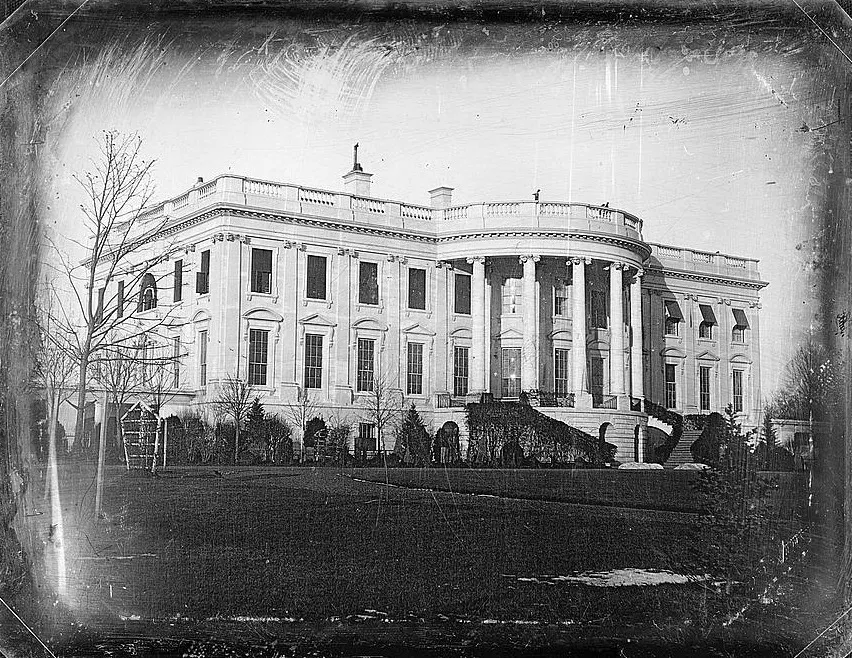
![President's house (i.e. White House), Washington, D.C., showing south side, probably taken in winter]](https://substackcdn.com/image/fetch/$s_!VddV!,f_auto,q_auto:good,fl_progressive:steep/https%3A%2F%2Fsubstack-post-media.s3.amazonaws.com%2Fpublic%2Fimages%2Fe33ca6ae-fa98-4930-baca-1d1082a5aa37_852x658.jpeg)
And leaders like Sen. Cory Booker and New Jersey Gov. Mikie Sherrill have endorsed our agenda to protect kids online. Our Kids Over Clicks plan sets clear rules of the road: no social media accounts under 16, “bell-to-bell” phone bans, and no more ads targeting kids based on their personal data. It’s a model for what we’re trying to offer with all of our proposals: ideas simple enough for anyone to explain, and clear about the values behind them.
It’s vital that the 2028 primary is an “ideas primary” – one that shows America that we are ready to govern with bold, credible proposals that meet the moment, that speak to people’s real concerns, and offer plans they truly believe will have a tangible impact on their lives. Returning to a pre-Trump status quo that was not working for most Americans is not an option. Empty promises and rhetoric are not enough. We’re already seeing Project 2029 ideas shape the debate. And stay tuned for much more to come.